Homeowners often reach a point when adjusting their mortgage makes financial sense. Rates shift, household budgets change, and long-term plans evolve. This is when knowing how to refinance a mortgage in Pennsylvania can help you decide whether the timing is right and what steps to take for a smoother process.
Refinancing means replacing your existing mortgage with a new one at updated terms. Many homeowners make this decision to reduce their monthly payment, shorten the repayment timeline, or tap into rising equity. Since mortgages play such an important role in long-term financial planning, it helps to learn how the process works in this state and what lenders typically look for.
Here’s everything you need to know.
What Is Mortgage Refinancing?
Refinancing gives you the chance to update your loan so it better aligns with your current goals. A new mortgage can come with a lower interest rate, a new term length, or a completely different payment structure. Some homeowners refinance to improve cash flow, while others use it to pay off their home faster.
If you need personal guidance during the refinancing process, it helps to speak with a Pennsylvania residential mortgage lender who works directly with Pennsylvania clients.
When Is the Best Time To Refinance Your Home in PA?
Refinancing is most useful when you can find a new loan with favorable terms. Here’s what to look for:
Lower Interest Rates
If the current market rate is meaningfully lower than the rate on your existing mortgage, refinancing could save interest over the life of your loan. Even a small reduction can produce long-term savings.
Shorter Loan Term
Switching from a 30-year mortgage to a shorter one often appeals to homeowners who want to build equity faster. Monthly payments usually increase, but you pay far less interest over time.
Need for Cash From Equity
Cash-out refinancing allows you to borrow more than your remaining mortgage balance and use the difference for large expenses such as home improvements or debt consolidation. Homeowners compare this option to personal loans since the mortgage rate is often lower.
Desire To Change Loan Type
Some homeowners choose to move from an adjustable-rate mortgage to a fixed one for more predictable monthly payments. Others make the opposite switch to take advantage of a lower initial rate.
How Does Mortgage Refinancing Work in PA?
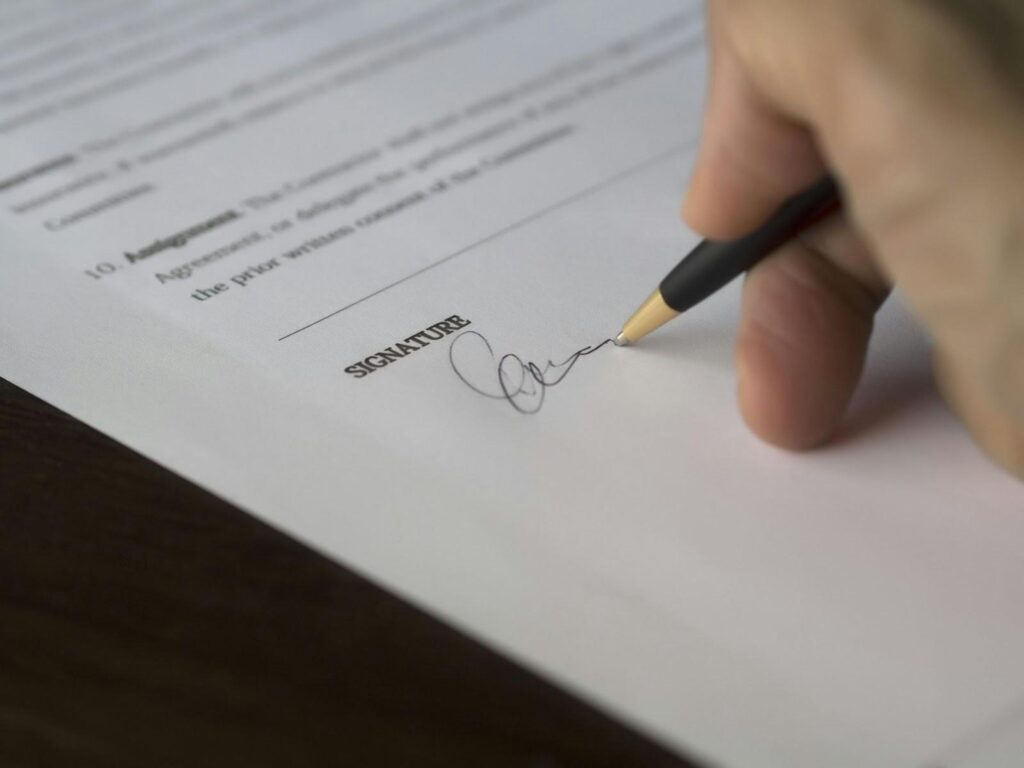
The mortgage refinancing process in Pennsylvania follows a clear-cut path in most cases:
1. Review Your Current Loan
Start by looking at your remaining balance, interest rate, and loan term. This helps you compare your existing mortgage to the terms a lender may offer today.
2. Check Your Credit
Strong credit often leads to better refinancing terms. Lenders typically review your score, payment history, and debt-to-income ratio. If your credit has improved since you first bought your home, you may qualify for more favorable rates.
3. Compare Lenders
Not all lenders offer the same loan programs or closing costs. Taking time to compare Pennsylvania lenders can help you find a good fit for your goals.
4. Apply for the New Loan
The application is similar to the one you completed when you bought your home. You provide financial documents, employment information, and details about your property. Lenders use this information to determine your eligibility and loan options.
5. Prepare for the Appraisal
Most refinances require a home appraisal. The appraiser will evaluate your property and determine its current market value. This number influences how much equity you have and whether you qualify for certain types of refinancing.
6. Review the Loan Estimate
After your lender evaluates your application, you receive a loan estimate outlining your projected payment, interest rate, and closing costs. Review it carefully so you fully understand the terms.
7. Close on the New Loan
Once everything is approved, you will attend closing. Your new loan replaces your old one and your updated terms go into effect. Payments typically begin the following month.
What Are the Requirements for Refinancing in Pennsylvania?
Lenders have their own standards, but most look at similar factors. The basic requirements are a higher credit score, a certain level of equity in your home, a solid debt-to-income ratio, and a home in good condition.
As you might expect, higher credit scores usually open the door to better refinancing rates. Many conventional lenders prefer applicants with scores in the mid-600s or above. Government-backed loans can be more flexible.
Also, your equity, the portion of the home you own outright, matters when applying for refinancing. Most lenders prefer you to have a certain amount of equity before approving a refinance. The general rule is 20% equity or above.
Lenders tend to also evaluate your ability to make the new payment based on your income stability, monthly expenses, debt (besides your mortgage), and overall financial health.
A reputable mortgage lender in Pennsylvania will also pay close attention to the condition of your home when you apply for financing. If your home needs major repairs, it might affect the appraisal, which will leave you with the choice of keeping your current mortgage or making the required repairs.
Refinancing Means Closing on Your Home Again
Refinancing can offer long-term financial advantages, but it comes with closing costs.
You’ll need to pay an appraisal fee, which covers the cost of evaluating your home’s value. After that, you will also have to cover closing costs, which can include lender fees, title insurance, credit checks, and other administrative items. Closing costs usually range from two to five percent of the loan amount, depending on the lender and loan type.
Keep prepayment penalties in mind as well. Most modern mortgages do not include a prepayment penalty, but you should check to be sure. This applies if the original loan had a clause charging a fee for paying it off early.
Moving Forward With Your Refinancing Plans
Refinancing can help you shape your mortgage around your current financial needs. Whether you want lower payments, a shorter term, or access to equity, understanding the process in Pennsylvania makes each decision easier.
If you are ready to review your options or want guidance from a local mortgage professional, contact Penn Street Mortgage today to get started.